

What is stem cell therapy?
Medically reviewed by Dr. Ajit Dhaliwal, MD, MBA · Updated October 2026
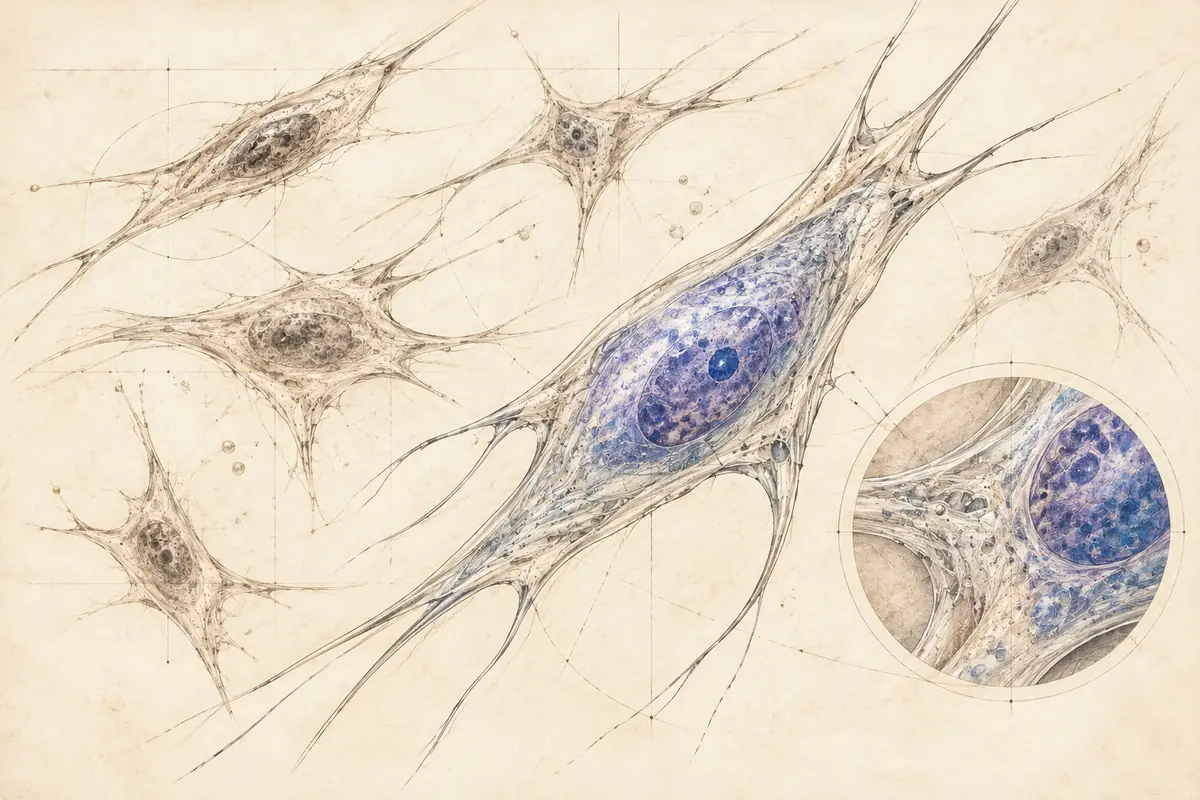
Stem cell therapy is a regenerative treatment that uses concentrated biologic material to support your body's own repair process. For joint and soft-tissue pain, it's delivered as an outpatient injection placed directly into the area that hurts, using imaging to guide the needle.
The idea is simple: instead of masking pain the way a cortisone shot does, regenerative care aims to support the tissue itself and calm the inflammation behind your symptoms. It's not surgery, there's no hospital stay, and most patients go home the same day.
How does stem cell therapy work?
After a physician evaluation confirms you're a candidate, the biologic material is prepared and injected into the precise structure causing your pain, such as a joint, tendon, or ligament. Your physician explains exactly which biologic is used for your treatment and where it comes from at your consultation.
Who is a good candidate?
The best candidates usually have chronic joint or soft-tissue pain, early to moderate arthritis, or an injury that hasn't healed with rest and therapy, and want to avoid or delay surgery. People with active infections, certain cancers, or severe joint destruction may not be candidates. Your physician screens for all of this.
Is stem cell therapy FDA approved?
Most regenerative and biologic therapies are not FDA-approved to treat orthopedic conditions. We think you deserve to know that up front. Your physician will walk you through what's used, what the research shows, and what's realistic for your case before you decide anything.
What are the risks?
Every procedure carries risk. Common short-term effects include soreness, swelling, and bruising at the injection site. Your physician reviews the risks specific to your health and treatment area at your consultation.