Stem Cell Therapy for Back Pain in New York
Sit, sleep, and lift without your back calling the shots. Chronic back pain wears you down: the long commute, the desk chair, the nights you can't get comfortable.
 Physician-led by Dr. Ajit Dhaliwal, MD, MBA
How it works
How stem cell therapy for back pain works
Medically reviewed by Dr. Ajit Dhaliwal, MD, MBA · Updated October 2026
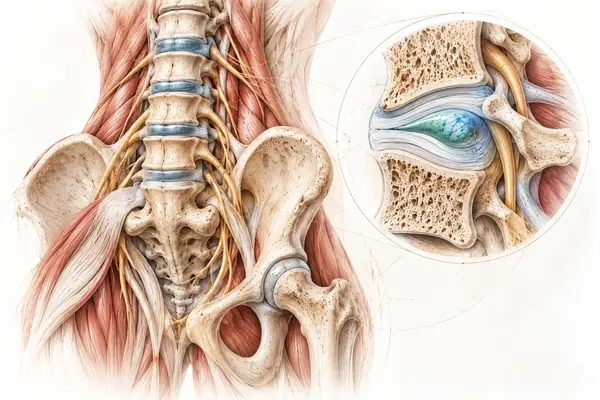
Stem cell therapy for back pain is an outpatient procedure that places concentrated biologic material into the specific structure causing your pain, such as a facet joint, the SI joint, or injured ligaments, guided by imaging.
The most important step happens before any injection: finding the true source of your pain. Your physician reviews your history, exam, and imaging to pinpoint it, because treating the wrong structure is one of the most common reasons back treatments fail.
What we treat
Back pain conditions we evaluate
The diagnoses New Yorkers bring to us most often.
Fig. 3Degenerative disc disease
Discs that have lost height and cushioning with age or wear.
See if you're a candidate › Fig. 4
Facet joint arthritis
Wear in the small joints of the spine that causes stiffness and pain.
See if you're a candidate ›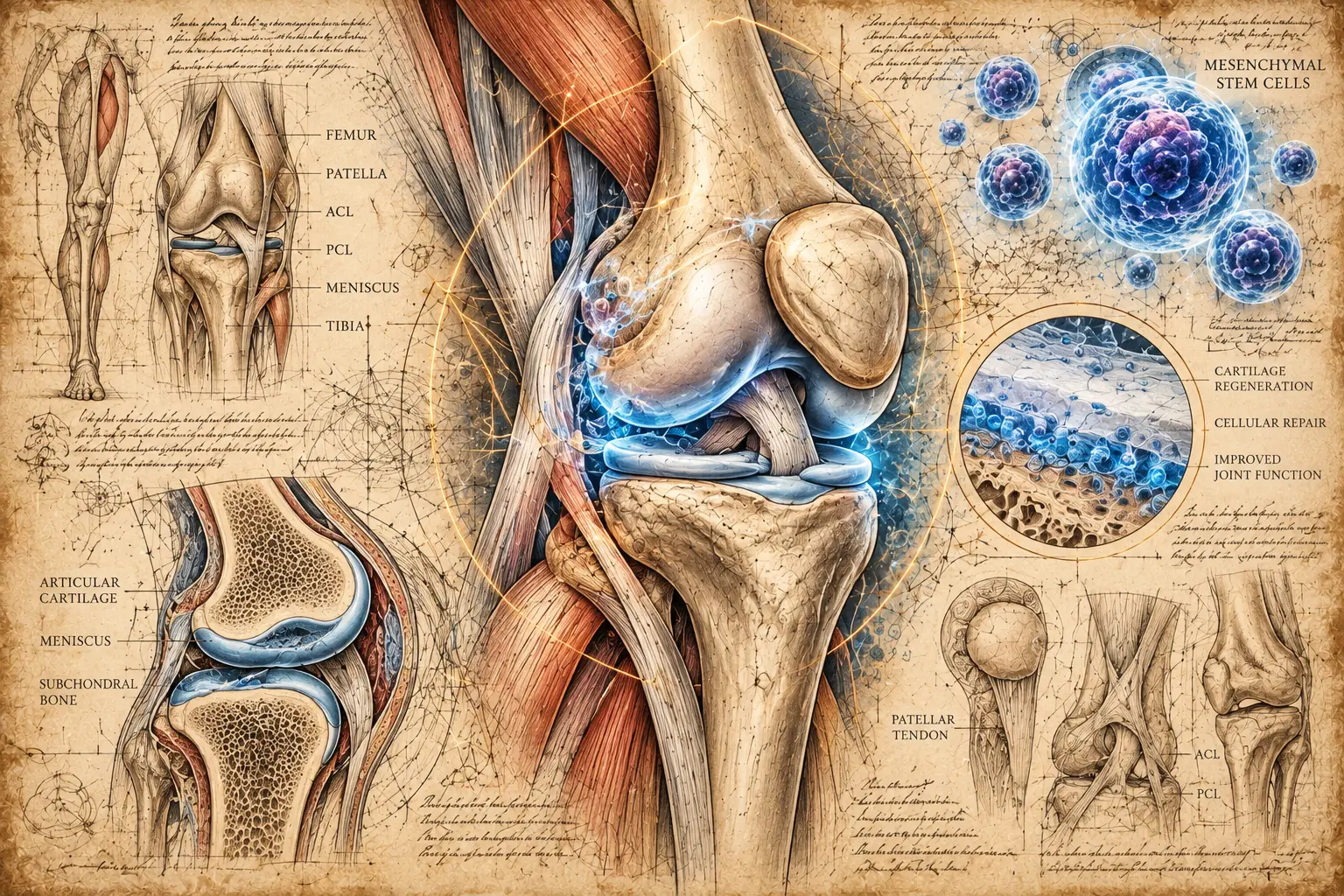 Fig. 5
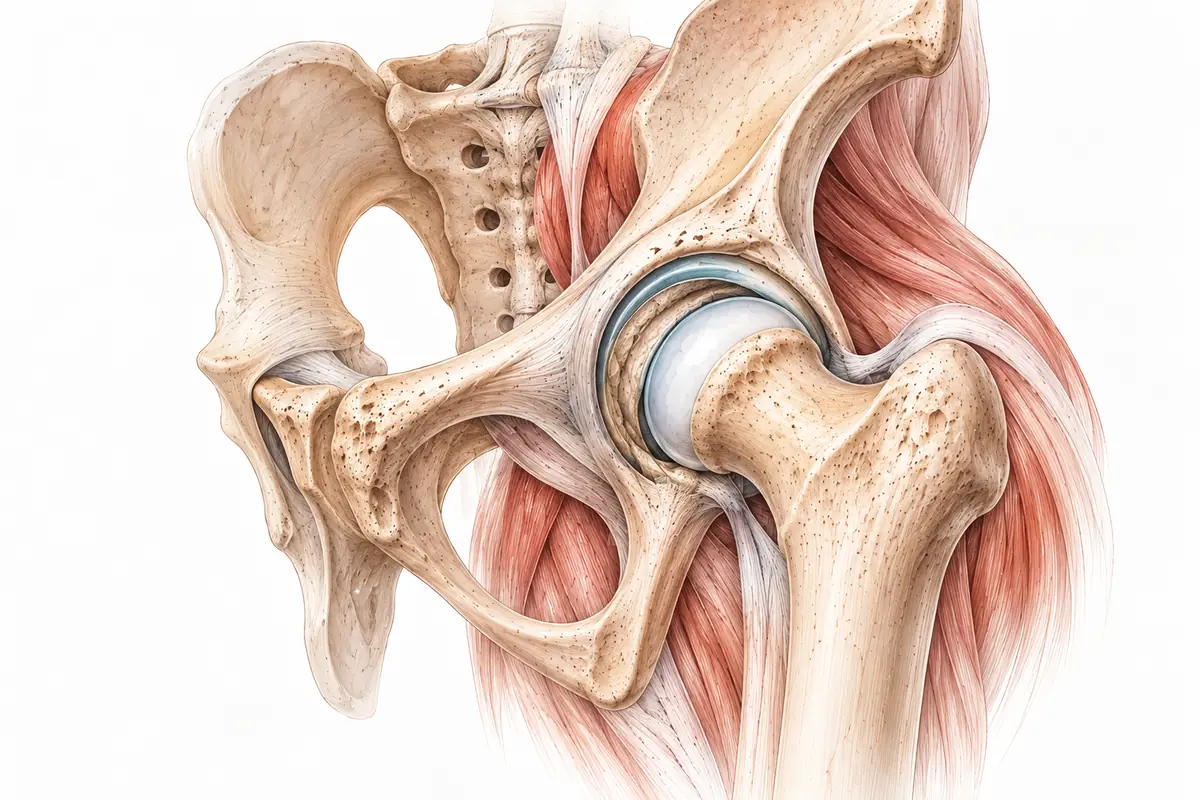
Sacroiliac (SI) joint pain
Pain where the spine meets the pelvis, often one-sided.
See if you're a candidate ›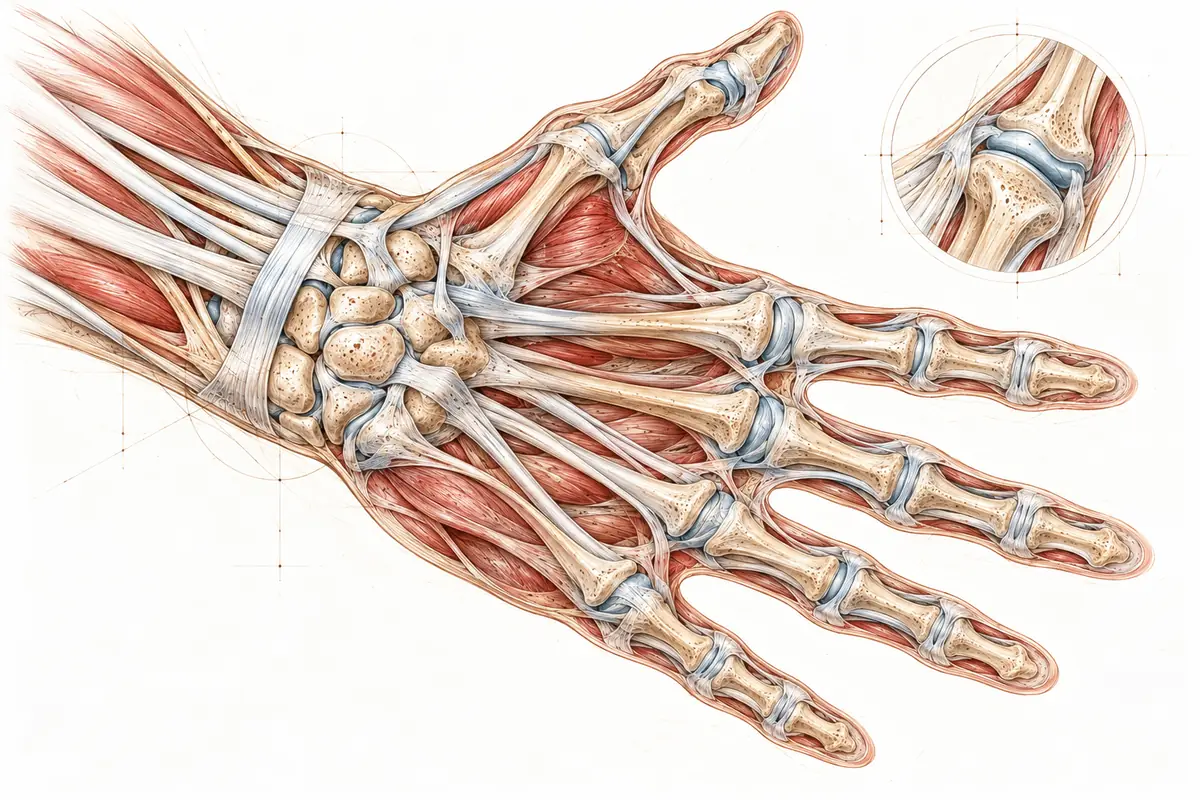 Fig. 6
Chronic muscle and ligament strain
Soft-tissue injuries in the back that never fully recovered.
See if you're a candidate ›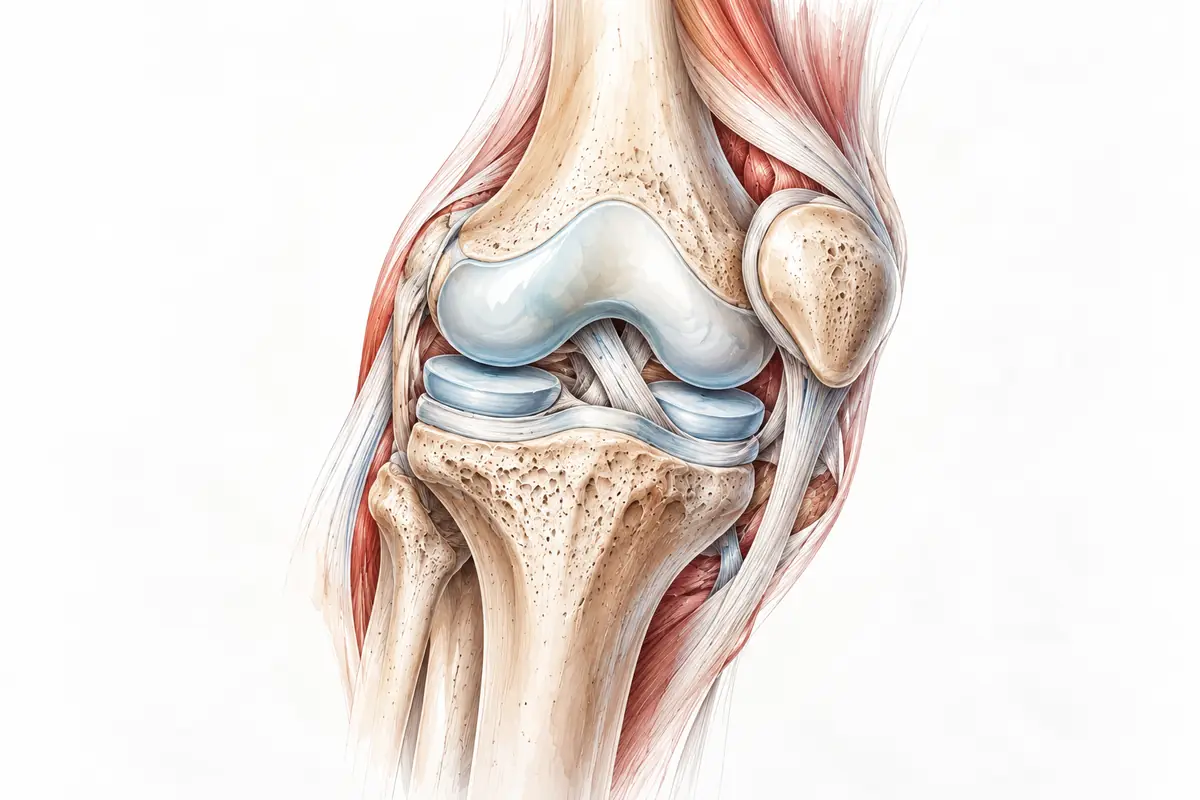 Fig. 7
Back pain after prior surgery
Ongoing pain for people who've already had procedures that didn't resolve it.
See if you're a candidate ›Not sure what you have?
Most people aren't. Answer 5 quick questions and our team will help you figure it out.
Start the 5 questions ›
Is this you?
Does this sound familiar?
If two or more of these sound like you, it's worth a free consultation.
- ✓Lower back pain that's lasted months or years
- ✓Pain that worsens after sitting, driving, or bending
- ✓Relief from epidurals or medication that keeps fading
- ✓A diagnosis of degenerative disc disease or facet arthritis
- ✓Surgery on the table and you want to explore alternatives first

The science
Your body already knows how to heal.
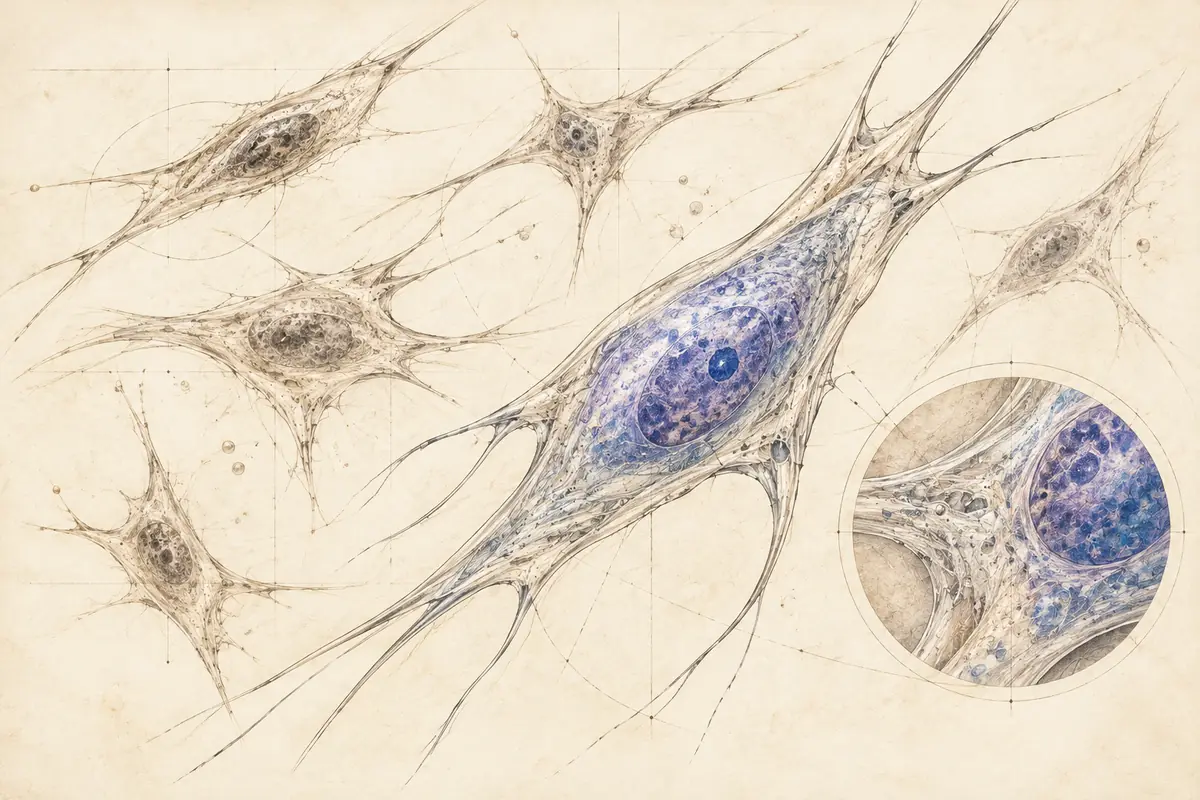
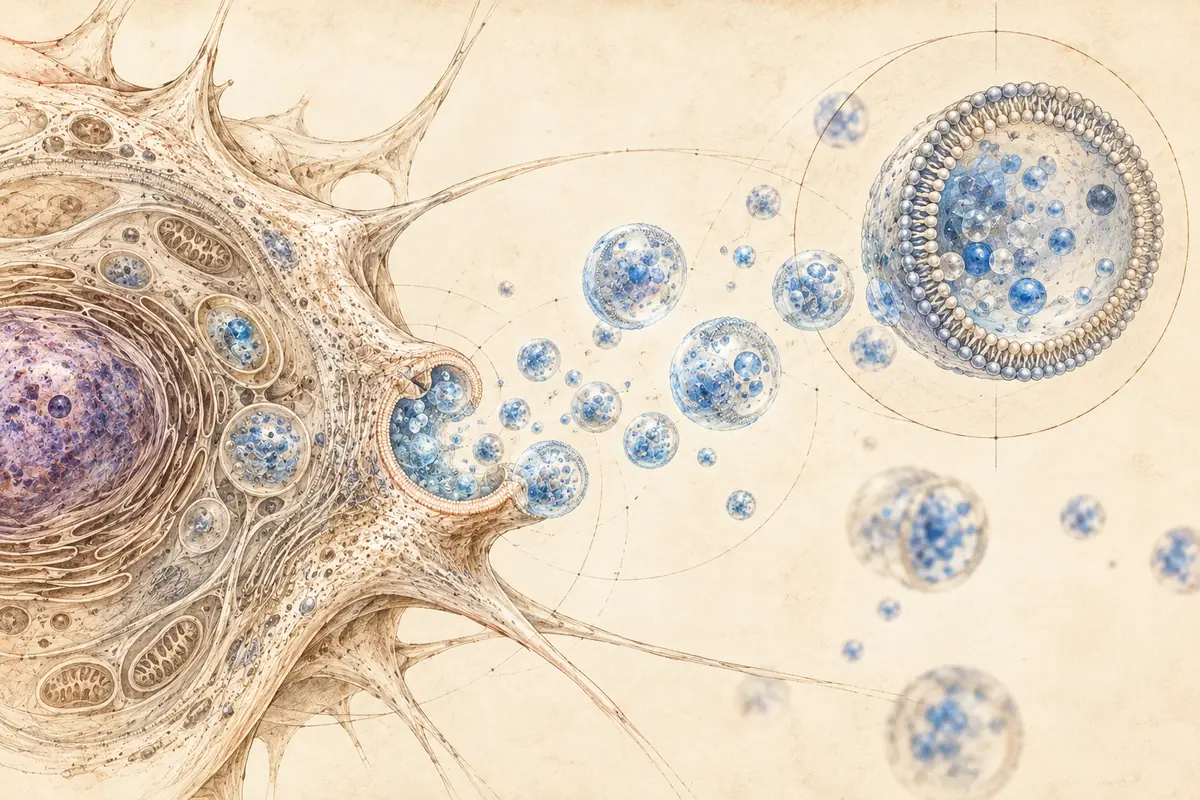
Every injury you've recovered from was repaired with help from your own mesenchymal stem cells. Regenerative therapy aims to concentrate that repair system right where you hurt, without surgery.
See if you're a candidateYour options
How it compares
An honest look at the common paths for back pain.
Your path forward
Four steps. No guesswork.
- STEP 01
5 quick questions
Tell us where it hurts and how long. About a minute.
- STEP 02
Free consultation
In person in Manhattan or by video, with honest answers.
- STEP 03
Your treatment
Outpatient, at 575 Madison Ave. No surgery or hospital stay.
- STEP 04
Follow-up
Check-ins with your care team as your body responds.
Back pain: questions New Yorkers ask
Does stem cell therapy work for lower back pain?
Research on regenerative treatments for back pain is still developing, and results vary. These therapies are not FDA-approved for spine conditions. Your physician will explain what the evidence shows for your specific diagnosis before you decide anything.
Is stem cell therapy an alternative to spine surgery?
For some patients it's explored as an option before surgery, especially when the pain comes from joints, ligaments, or early disc degeneration. It is not right for every case, such as severe nerve compression, and your physician will tell you if surgery is the better path.
What part of my back gets treated?
That depends on what's causing your pain. Common targets include facet joints, the sacroiliac joint, and injured ligaments. Your physician identifies the source first, then builds a plan around it.
Can I travel home after treatment for my back?
Many patients fly in from out of state and return home the same day. Your physician will give you specific guidance for sitting, flying, and activity after your procedure.
I've already had back surgery. Can I still be a candidate?
Possibly. Some patients seek regenerative care after surgery didn't resolve their pain. Your physician will review your surgical history and imaging to see if it makes sense.
Also treated
Explore other conditions
Free · 60 seconds
See if stem cell therapy for back pain is right for you.
Answer 5 simple questions. Our physician-led team will review them and call you with honest next steps.