Stem Cell Therapy for Neck Pain in New York
Turn your head, work at your desk, and sleep without the ache. Neck pain follows you everywhere: the laptop, the commute, the pillow.
 Physician-led by Dr. Ajit Dhaliwal, MD, MBA
How it works
How stem cell therapy for neck pain works
Medically reviewed by Dr. Ajit Dhaliwal, MD, MBA · Updated October 2026
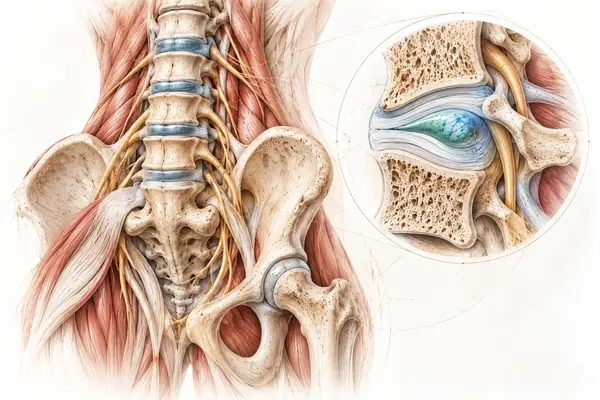
Stem cell therapy for the neck is an outpatient, image-guided procedure that places concentrated biologic material into the specific joint or ligament causing pain. Precision is essential in the neck, so image guidance is standard.
Your evaluation starts with finding the true pain source. If you have symptoms like arm weakness or numbness that suggest nerve compression, your physician will discuss whether you need a different workup first.
What we treat
Neck pain conditions we evaluate
The diagnoses New Yorkers bring to us most often.
Fig. 3Cervical facet arthritis
Wear in the small joints of the neck causing stiffness and pain.
See if you're a candidate › Fig. 4
Whiplash injuries
Ligament and soft-tissue damage that never fully settled.
See if you're a candidate › Fig. 5
Degenerative disc changes
Age-related disc wear that contributes to chronic pain.
See if you're a candidate ›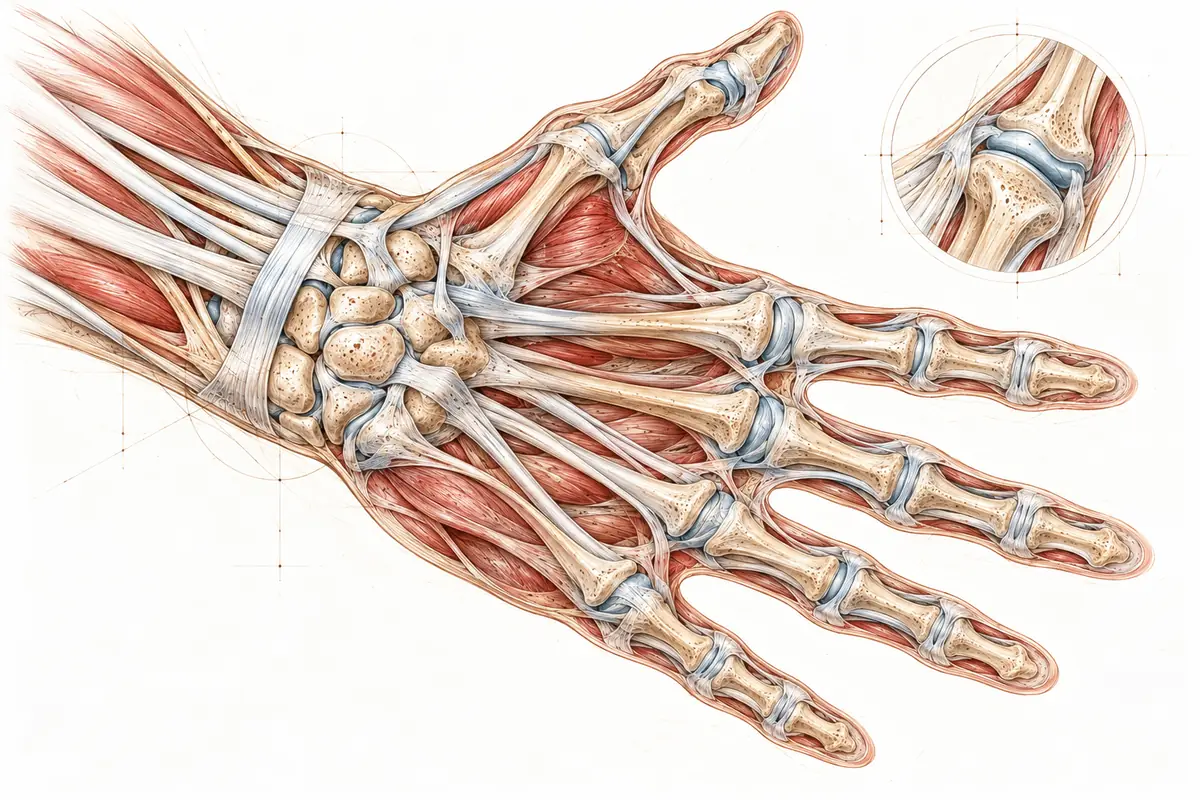 Fig. 6
Chronic muscle and ligament strain
Overuse injuries from posture, training, or work.
See if you're a candidate › Fig. 7
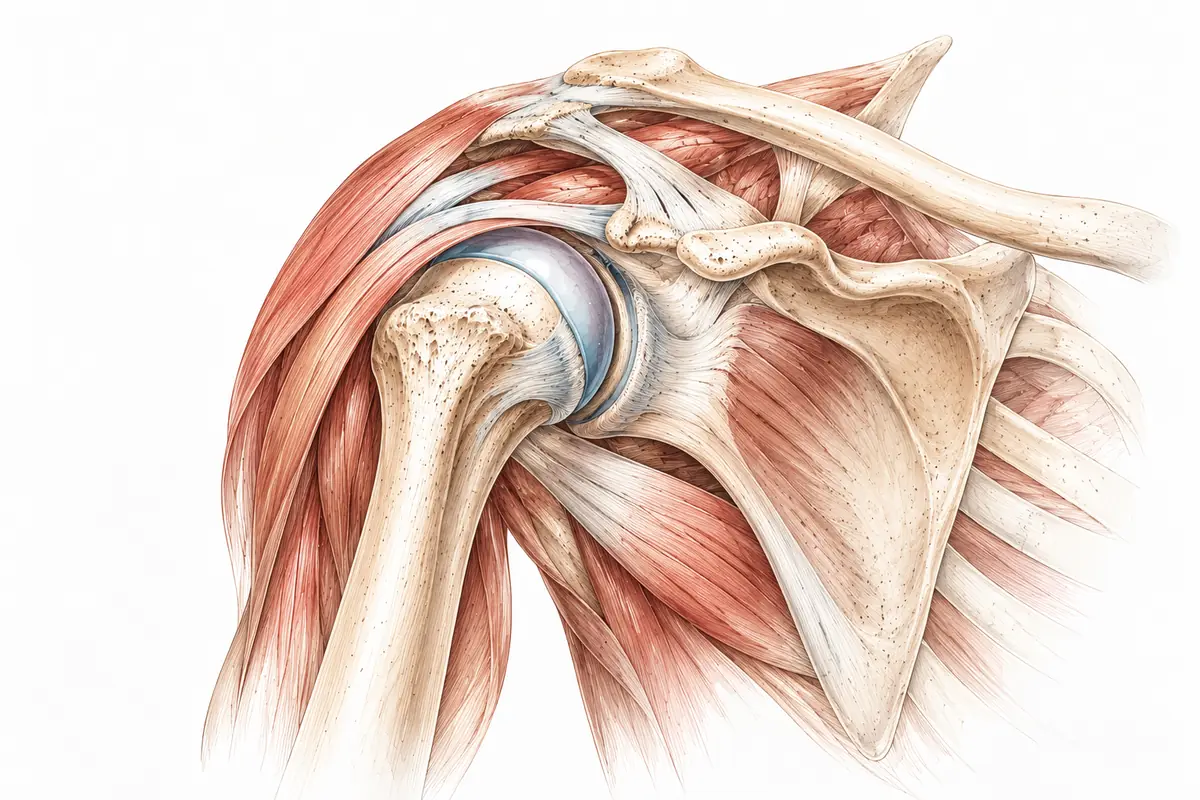
Neck and shoulder pain combinations
Pain that spans both areas, common after injuries.
See if you're a candidate ›Not sure what you have?
Most people aren't. Answer 5 quick questions and our team will help you figure it out.
Start the 5 questions ›
Is this you?
Does this sound familiar?
If two or more of these sound like you, it's worth a free consultation.
- ✓Neck pain or stiffness that's lasted months
- ✓Pain that worsens at a desk or looking at screens
- ✓Headaches that start at the base of your skull
- ✓Lingering pain from whiplash or a sports injury
- ✓Arthritis in the neck on your imaging

The science
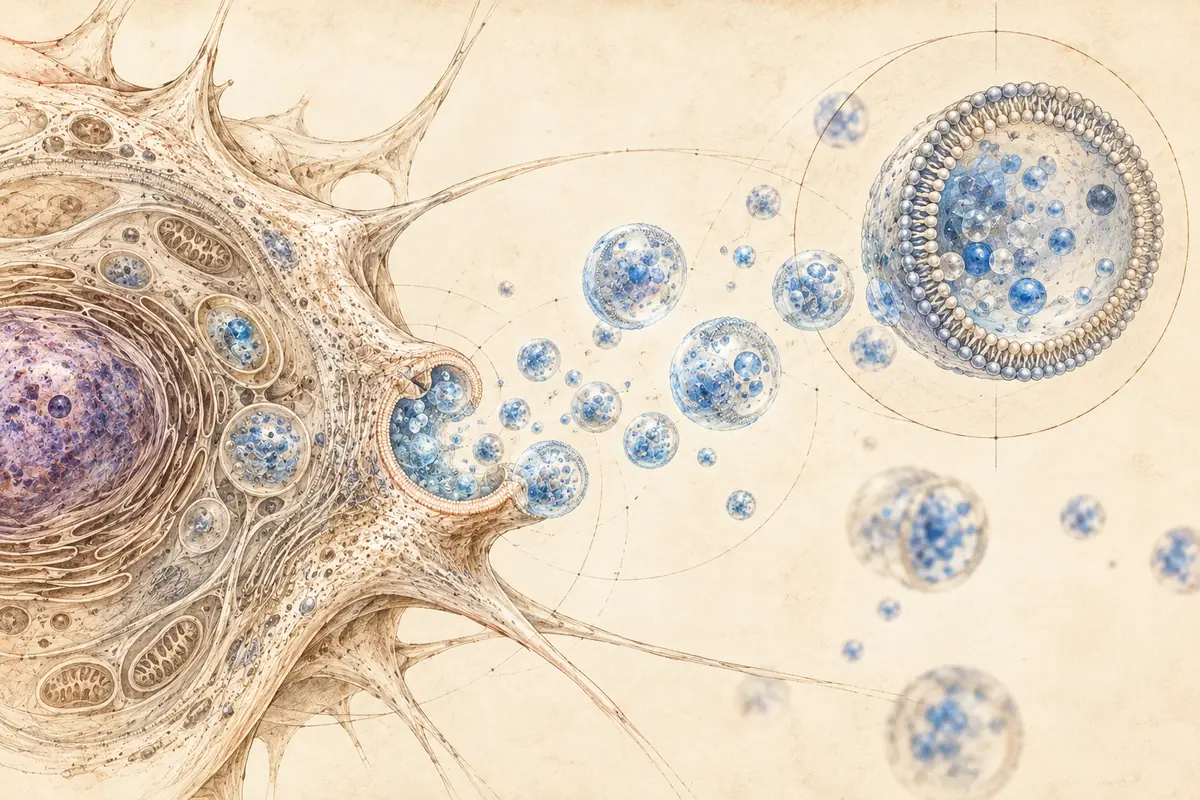
Your body already knows how to heal.
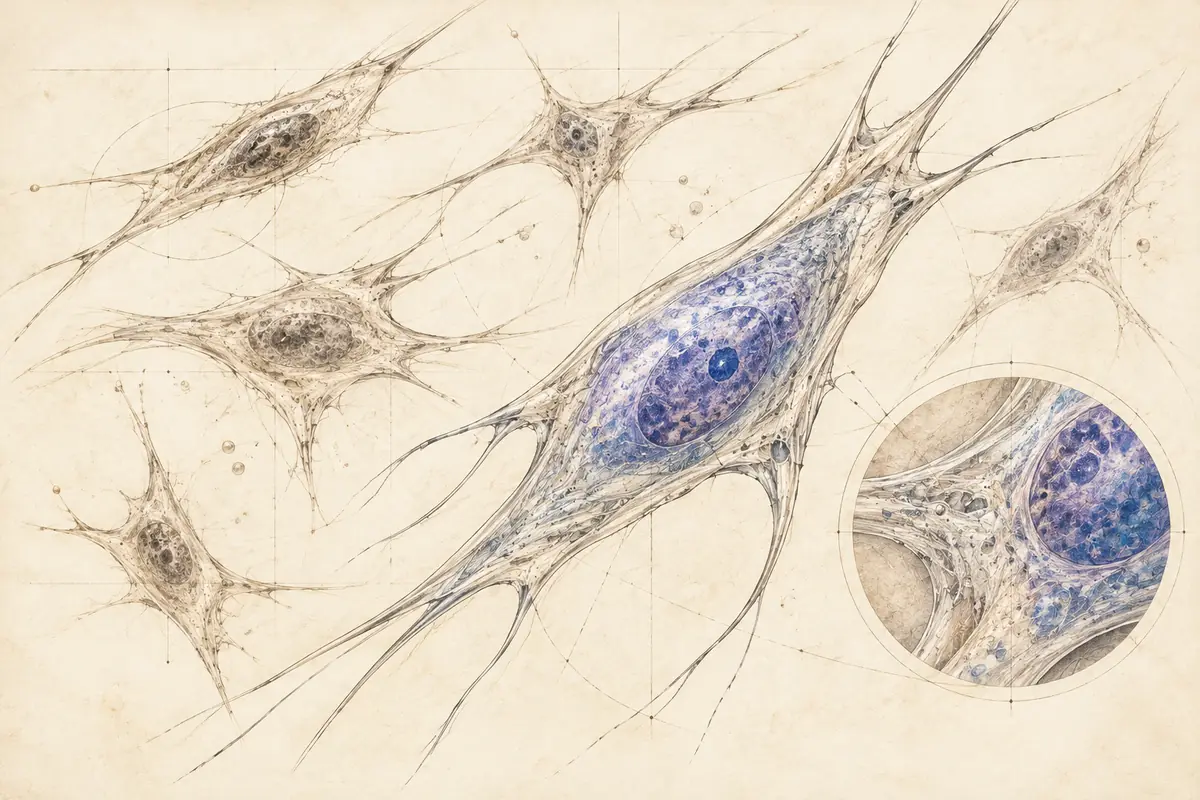
Every injury you've recovered from was repaired with help from your own mesenchymal stem cells. Regenerative therapy aims to concentrate that repair system right where you hurt, without surgery.
See if you're a candidateYour options
How it compares
An honest look at the common paths for neck pain.
Your path forward
Four steps. No guesswork.
- STEP 01
5 quick questions
Tell us where it hurts and how long. About a minute.
- STEP 02
Free consultation
In person in Manhattan or by video, with honest answers.
- STEP 03
Your treatment
Outpatient, at 575 Madison Ave. No surgery or hospital stay.
- STEP 04
Follow-up
Check-ins with your care team as your body responds.
Neck pain: questions New Yorkers ask
Does stem cell therapy work for neck pain?
Research on regenerative treatments for neck pain is limited and still developing, and results vary. These therapies are not FDA-approved for spine conditions. Your physician will explain what's known and whether it's reasonable for your case.
Is a neck injection safe?
Every procedure has risks, which your physician will review with you. Image guidance is used to place treatment precisely, and your care team will explain what to expect before you decide.
What if I have numbness or tingling in my arms?
Those symptoms can signal nerve involvement that needs proper evaluation. Your physician will assess them and may recommend imaging or a specialist before any regenerative treatment.
Can I go back to work after treatment?
Many patients return to desk work quickly. Your physician will give you guidance specific to your job and activity level.
Can you treat my neck and shoulder at the same visit?
Sometimes, depending on your diagnosis. Your physician will decide what makes sense to treat and in what order.
Also treated
Explore other conditions
Free · 60 seconds
See if stem cell therapy for neck pain is right for you.
Answer 5 simple questions. Our physician-led team will review them and call you with honest next steps.