Stem Cell Therapy for Neuropathy in New York
Answers for the burning, tingling, and numbness that won't let up. Neuropathy can make every step feel like walking on pins, and many people are told to simply manage it with medication.

 Physician-led by Dr. Ajit Dhaliwal, MD, MBA
How it works
How stem cell therapy for neuropathy works
Medically reviewed by Dr. Ajit Dhaliwal, MD, MBA · Updated October 2026
Regenerative care for neuropathy is an area of active research, and the evidence is earlier-stage than it is for joints. That's why our approach starts with a thorough physician evaluation of what's causing your nerve symptoms and what has already been ruled out.
If regenerative care is reasonable for you, it's built into a broader plan that can include metabolic, nutritional, and lifestyle factors. If it isn't, your physician will tell you and point you toward what is more likely to help.
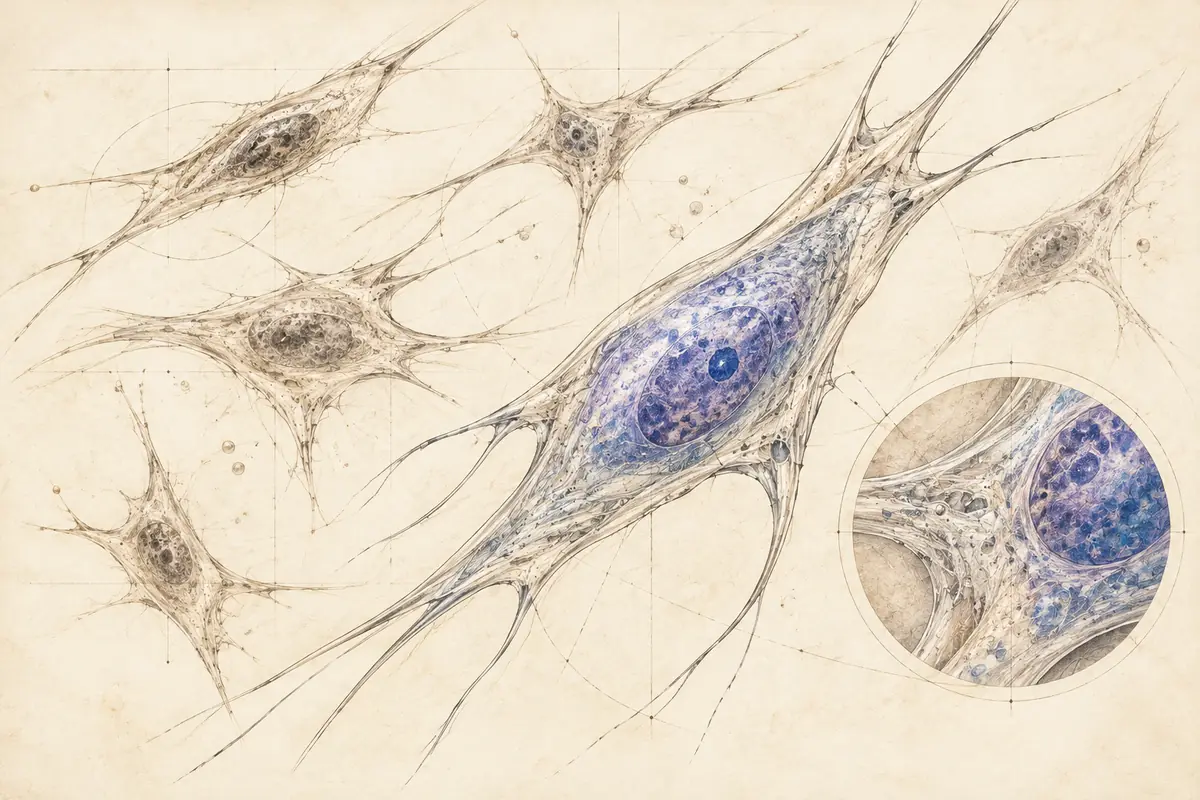
What we treat
Neuropathy conditions we evaluate
The diagnoses New Yorkers bring to us most often.
Fig. 3Peripheral neuropathy
Damage to the nerves of the feet, legs, or hands.
See if you're a candidate › Fig. 4
Diabetic neuropathy
Nerve damage related to blood sugar, evaluated alongside your primary care.
See if you're a candidate ›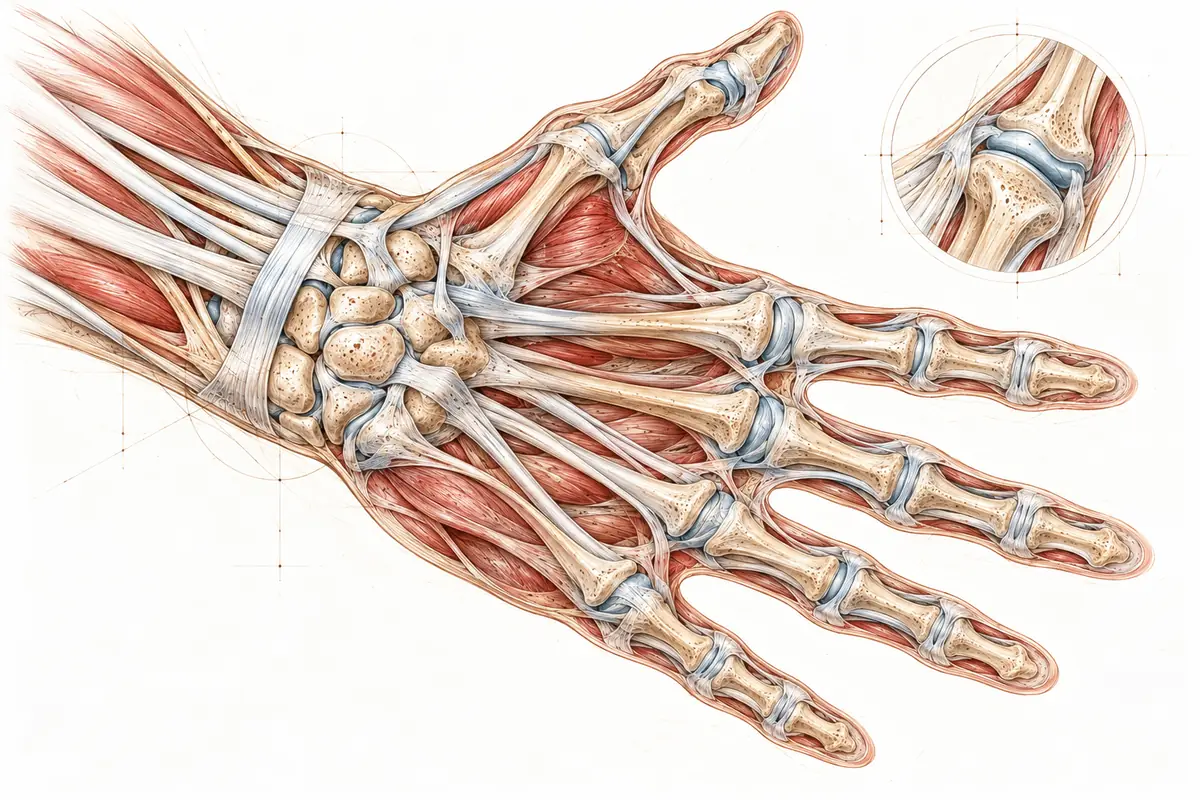 Fig. 5
Neuropathy after chemotherapy
Persistent nerve symptoms following cancer treatment.
See if you're a candidate ›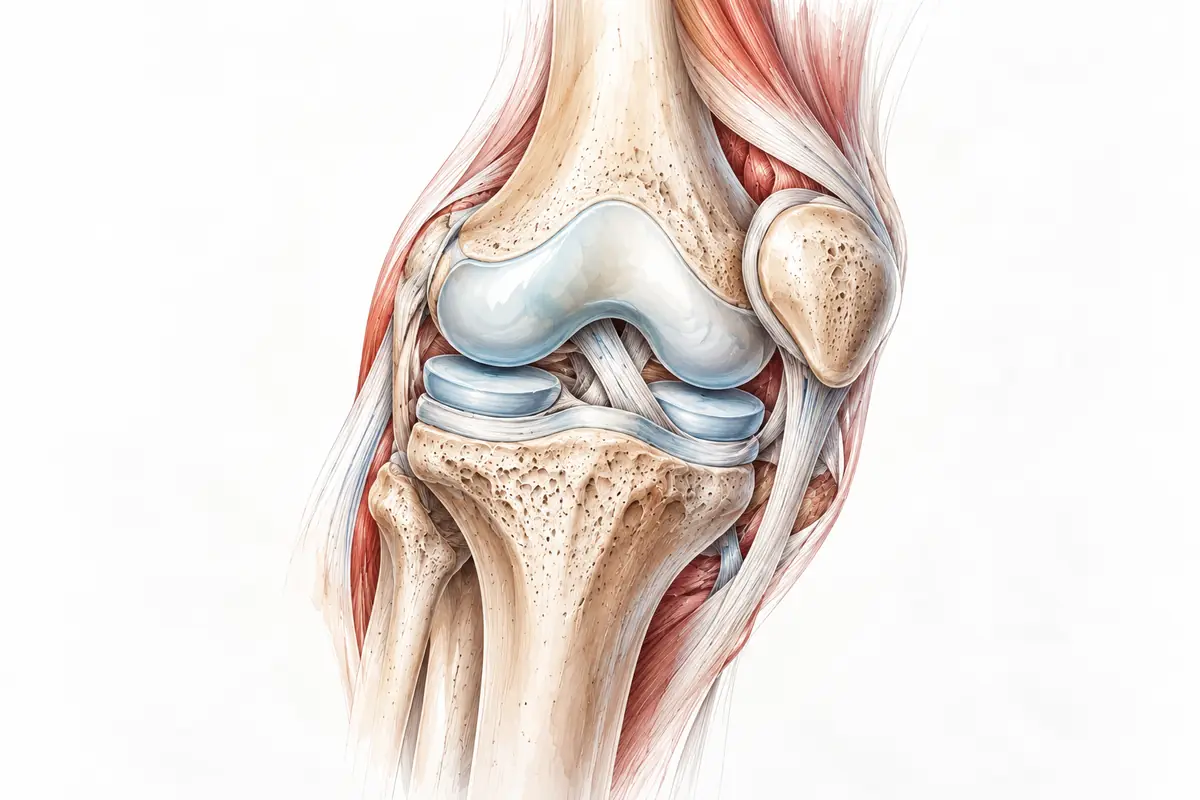 Fig. 6
Idiopathic neuropathy
Nerve symptoms with no clear identified cause.
See if you're a candidate ›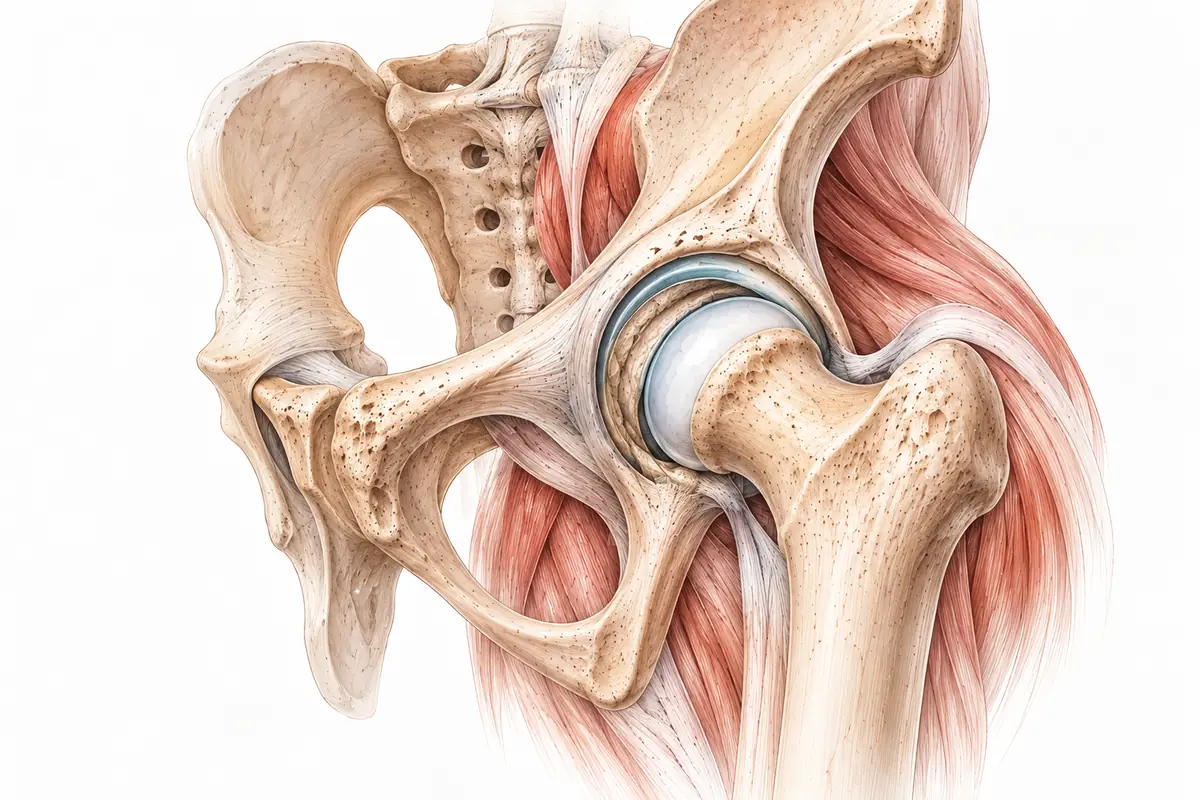 Fig. 7
Nerve pain from old injuries
Lingering nerve-related pain after trauma.
See if you're a candidate ›Not sure what you have?
Most people aren't. Answer 5 quick questions and our team will help you figure it out.
Start the 5 questions ›
Is this you?
Does this sound familiar?
If two or more of these sound like you, it's worth a free consultation.
- ✓Burning, tingling, or pins-and-needles in your feet or hands
- ✓Numbness that affects balance or walking
- ✓Nerve pain that's worse at night
- ✓Medications that cause side effects or stopped helping
- ✓A neuropathy diagnosis and no clear plan beyond prescriptions

The science
Your body already knows how to heal.
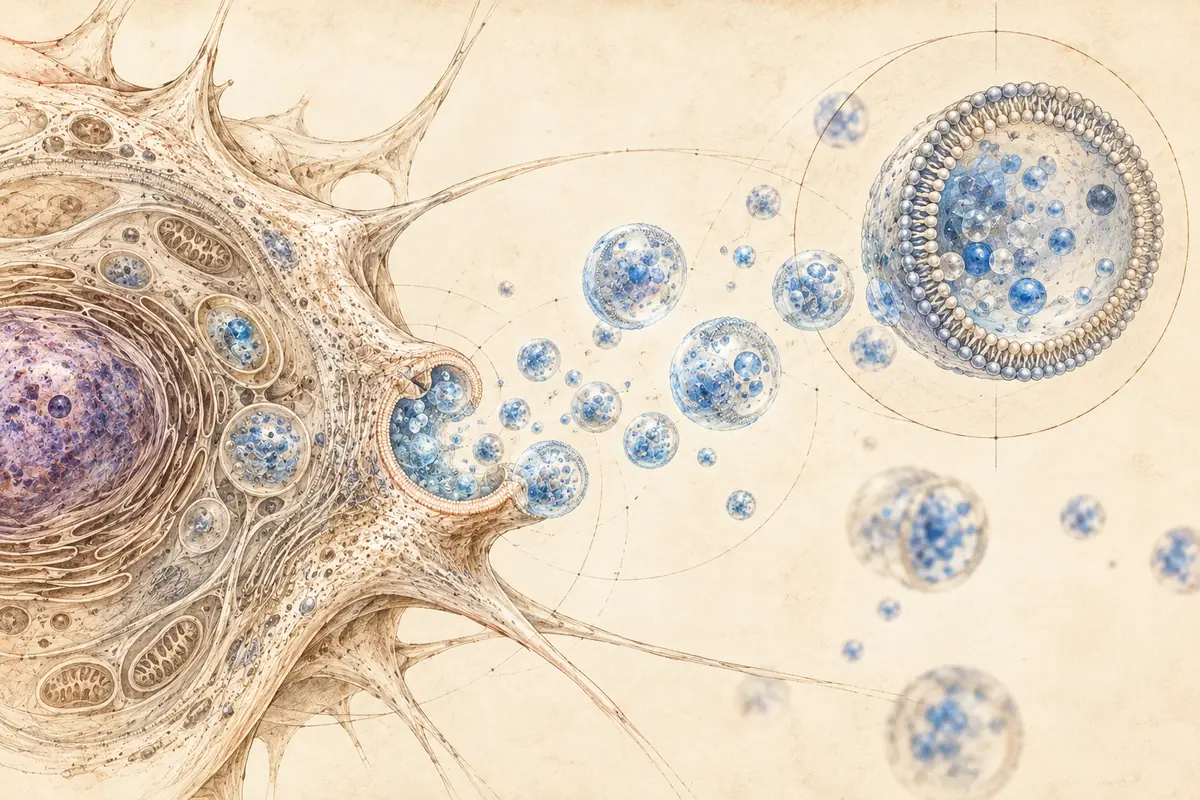
Every injury you've recovered from was repaired with help from your own mesenchymal stem cells. Regenerative therapy aims to concentrate that repair system right where you hurt, without surgery.
See if you're a candidateYour options
How it compares
An honest look at the common paths for neuropathy.
Your path forward
Four steps. No guesswork.
- STEP 01
5 quick questions
Tell us where it hurts and how long. About a minute.
- STEP 02
Free consultation
In person in Manhattan or by video, with honest answers.
- STEP 03
Your treatment
Outpatient, at 575 Madison Ave. No surgery or hospital stay.
- STEP 04
Follow-up
Check-ins with your care team as your body responds.
Neuropathy: questions New Yorkers ask
Can stem cell therapy cure neuropathy?
No treatment should be promised as a cure for neuropathy. Research into regenerative approaches for nerve damage is ongoing, and these therapies are not FDA-approved for neuropathy. Your physician will explain the evidence honestly and whether it's reasonable to consider for you.
What causes neuropathy?
Common causes include diabetes, vitamin deficiencies, chemotherapy, injuries, and autoimmune conditions. Sometimes no cause is found. Part of your evaluation is understanding what's behind your symptoms.
Should I stop my neuropathy medication?
Never stop or change prescribed medication without talking to the doctor who prescribed it. Your care team here will coordinate with your existing plan.
Is diabetic neuropathy treated differently?
Blood sugar control is central for diabetic neuropathy. Your physician will consider it alongside any regenerative options and coordinate with your primary care doctor.
What should I bring to my consultation?
Bring any nerve testing results (like EMG or nerve conduction studies), recent lab work, a list of medications, and notes on how your symptoms affect daily life.
Also treated
Explore other conditions
Free · 60 seconds
See if stem cell therapy for neuropathy is right for you.
Answer 5 simple questions. Our physician-led team will review them and call you with honest next steps.