Stem Cell Therapy for Sports Injuries in New York
Get back to training, competing, and playing. When an injury keeps you off the field, out of the gym, or off the court, every week counts.
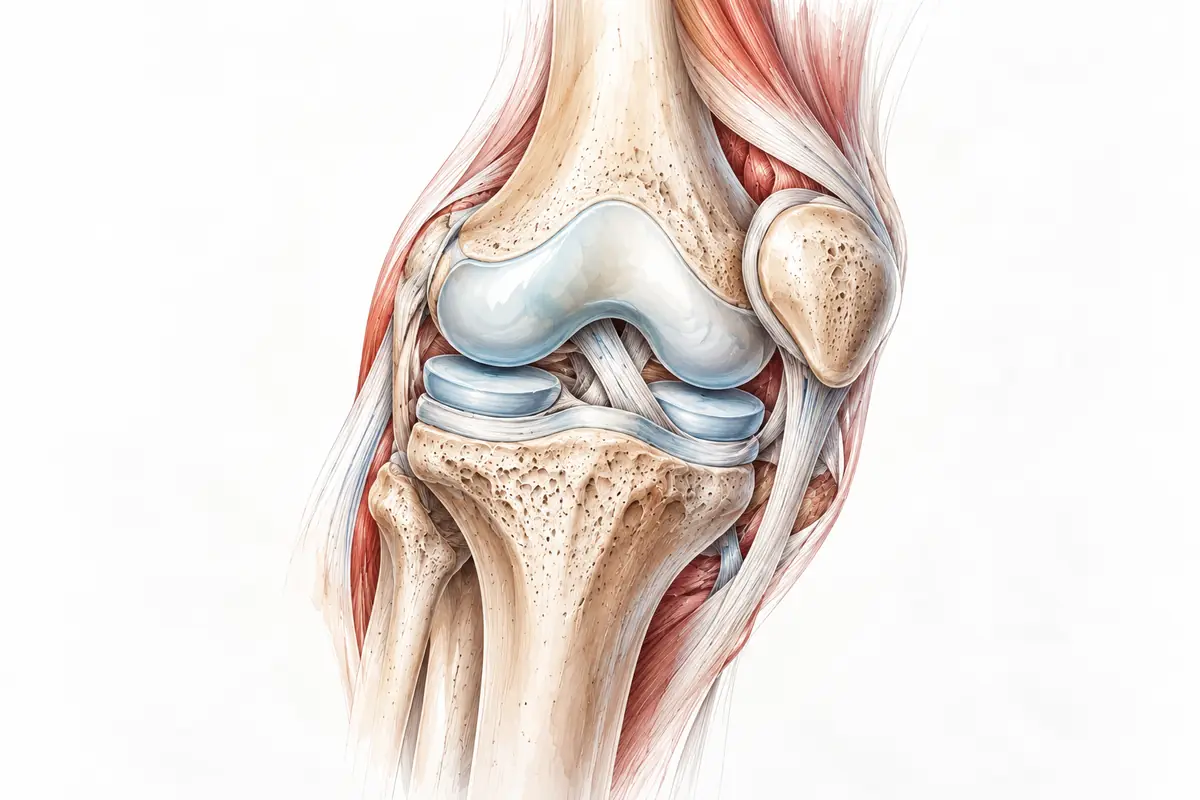
 Physician-led by Dr. Ajit Dhaliwal, MD, MBA
How it works
How stem cell therapy for sports injuries works
Medically reviewed by Dr. Ajit Dhaliwal, MD, MBA · Updated October 2026
For sports injuries, stem cell therapy is an outpatient, image-guided injection placed directly into the injured tendon, ligament, or joint. The goal is to support your body's repair process alongside a structured return-to-play plan.
Injections are only one part of recovery. Your physician will coordinate with your training, physical therapy, and load management, because how you return to sport matters as much as the treatment itself.
What we treat
Sports injuries conditions we evaluate
The diagnoses New Yorkers bring to us most often.
Fig. 3Tendon injuries
Tennis elbow, Achilles, patellar, and hamstring tendinopathy.
See if you're a candidate › Fig. 4
Ligament sprains and partial tears
Knee, ankle, and elbow ligaments that heal slowly.
See if you're a candidate › Fig. 5
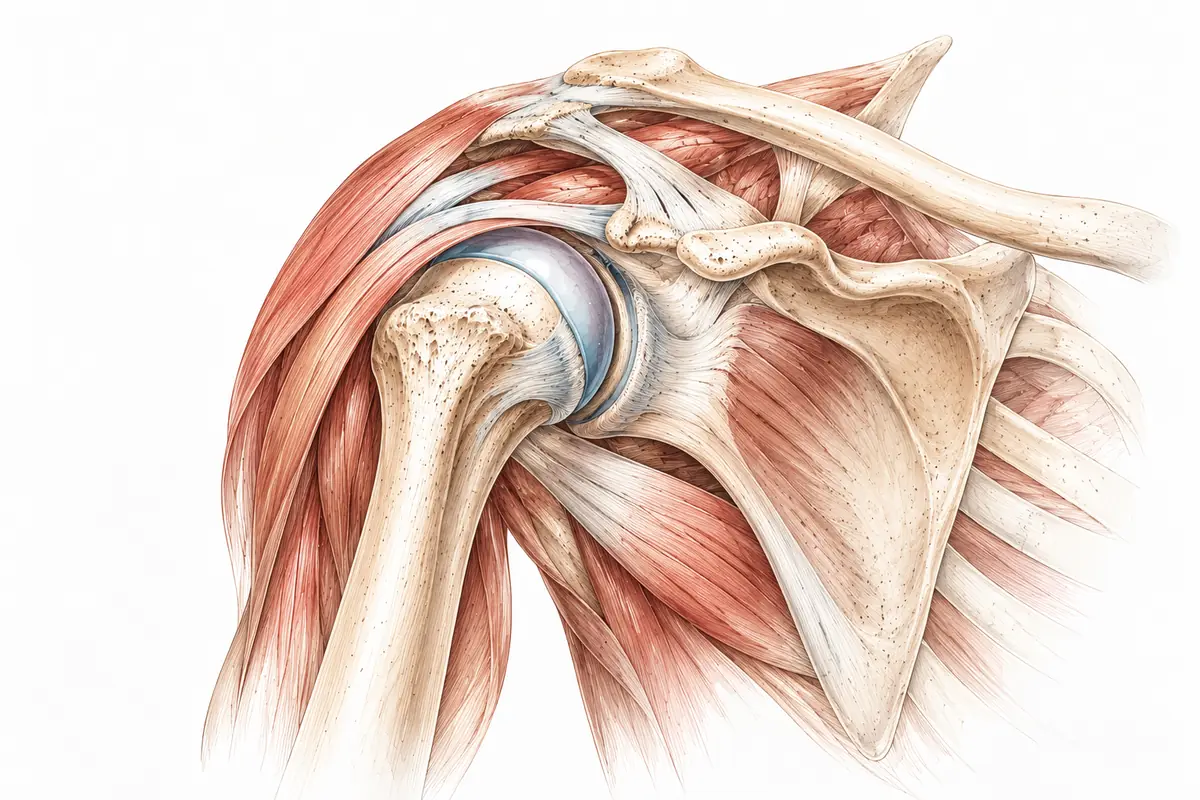
Rotator cuff and labrum injuries
Common in throwers, lifters, swimmers, and fighters.
See if you're a candidate › Fig. 6
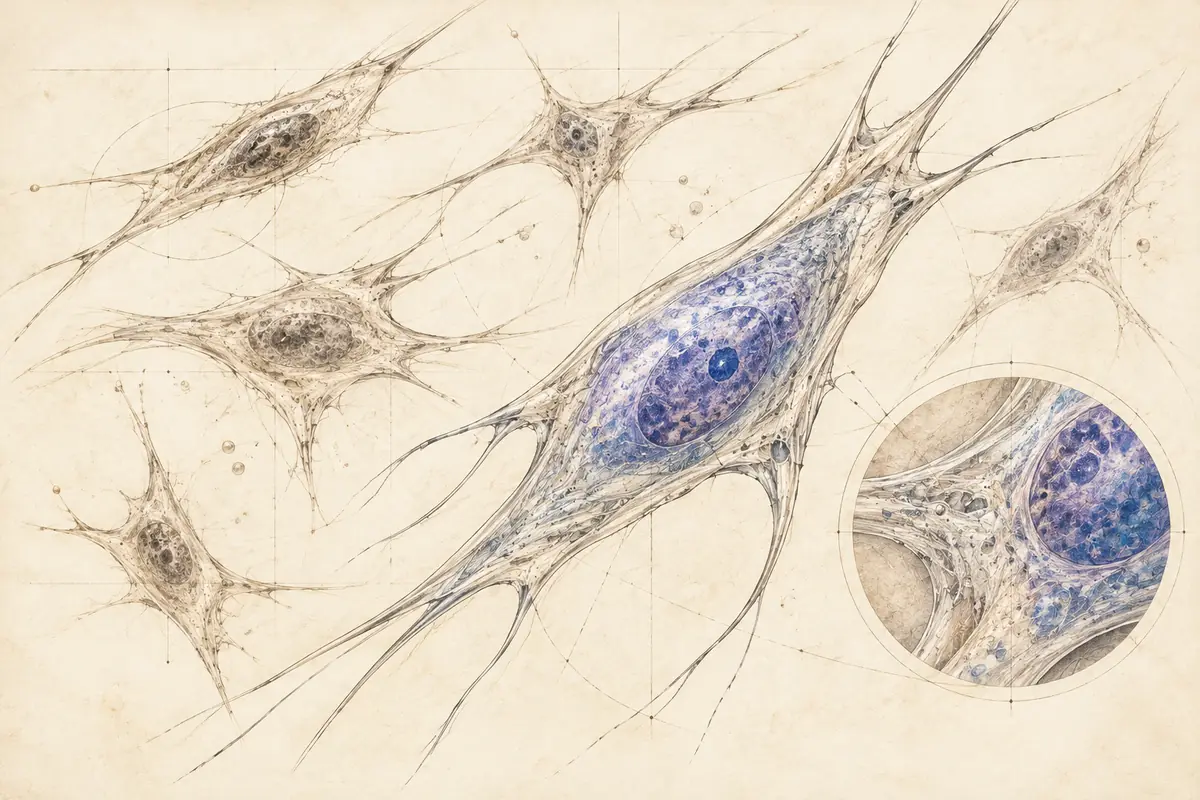
Meniscus and cartilage injuries
Knee injuries from cutting, pivoting, and impact.
See if you're a candidate ›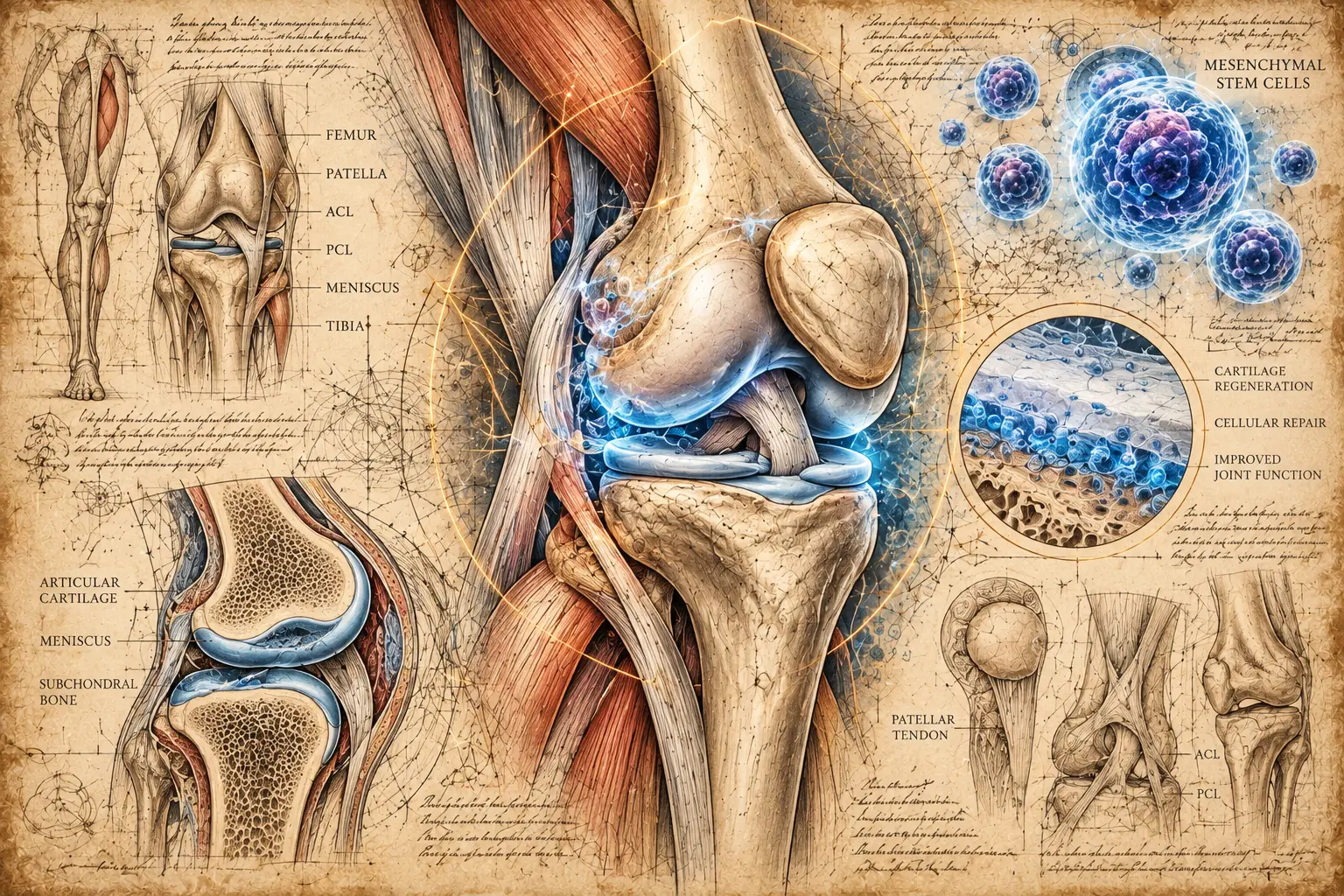 Fig. 7
Muscle strains that won't settle
Recurring hamstring, calf, and groin strains.
See if you're a candidate ›Not sure what you have?
Most people aren't. Answer 5 quick questions and our team will help you figure it out.
Start the 5 questions ›
Is this you?
Does this sound familiar?
If two or more of these sound like you, it's worth a free consultation.
- ✓A tendon or ligament injury that keeps coming back
- ✓Pain that stops you from training at full intensity
- ✓An injury that rehab helped, but never fully fixed
- ✓A partial tear your doctor wants to 'watch'
- ✓Pressure to return faster than your body allows
The science
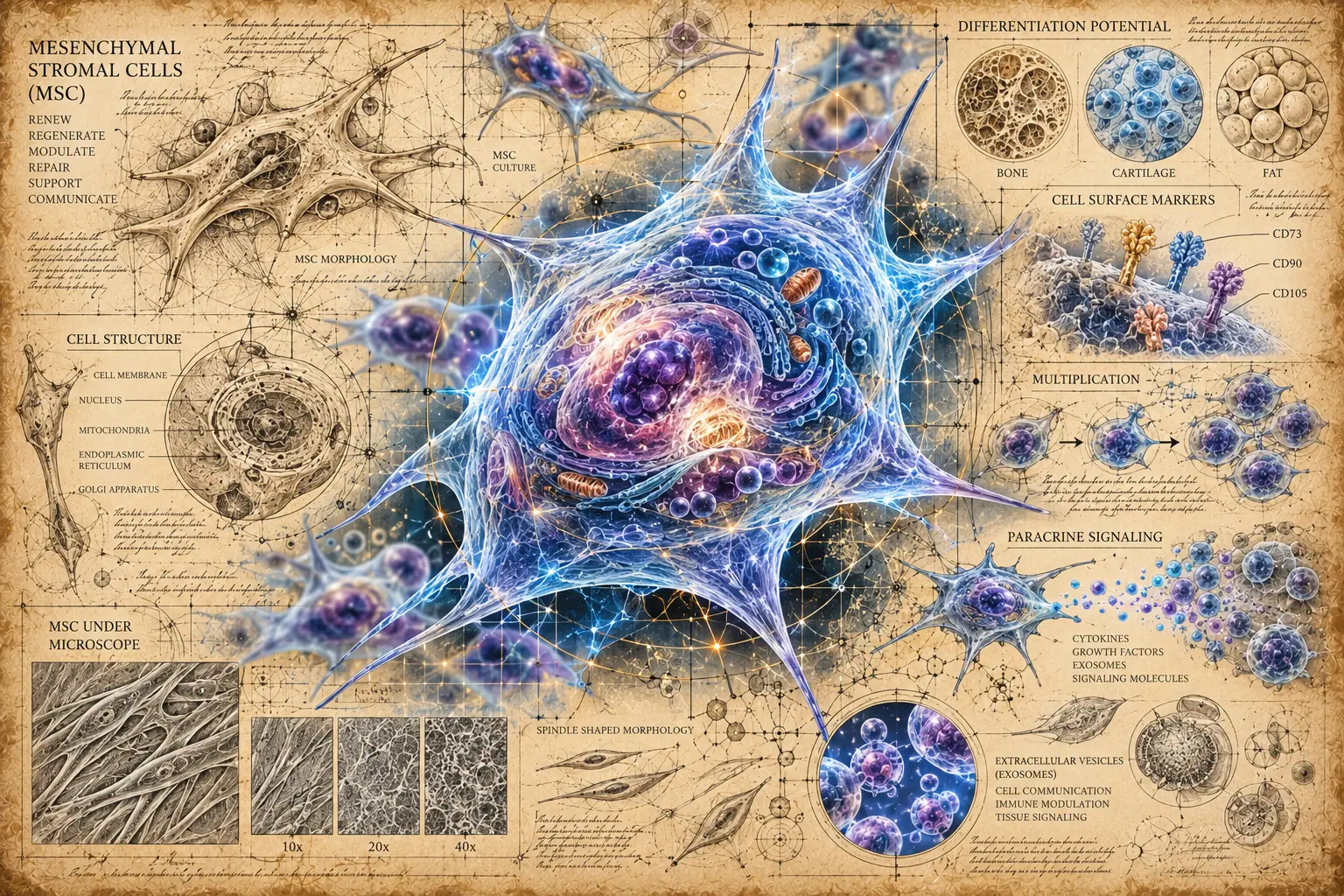
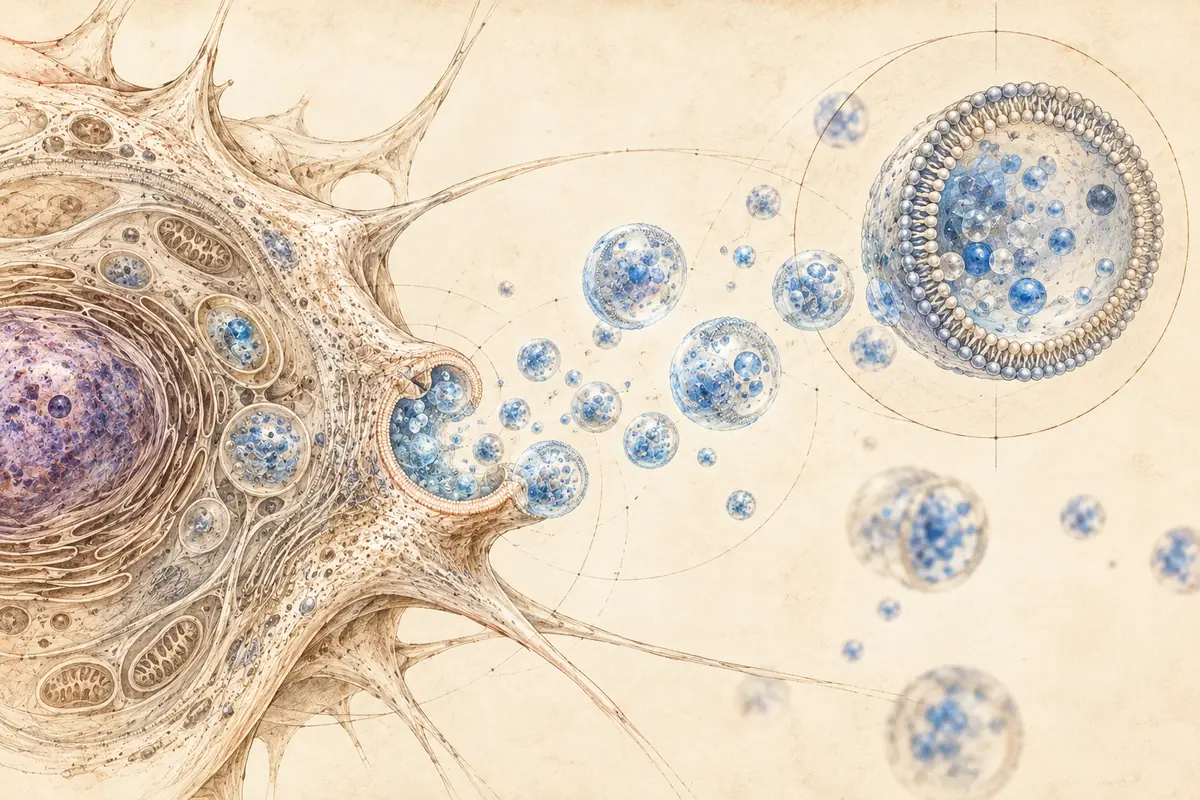
Your body already knows how to heal.
Every injury you've recovered from was repaired with help from your own mesenchymal stem cells. Regenerative therapy aims to concentrate that repair system right where you hurt, without surgery.
See if you're a candidateYour options
How it compares
An honest look at the common paths for sports injuries.
Your path forward
Four steps. No guesswork.
- STEP 01
5 quick questions
Tell us where it hurts and how long. About a minute.
- STEP 02
Free consultation
In person in Manhattan or by video, with honest answers.
- STEP 03
Your treatment
Outpatient, at 575 Madison Ave. No surgery or hospital stay.
- STEP 04
Follow-up
Check-ins with your care team as your body responds.
Sports injuries: questions New Yorkers ask
Do professional athletes use stem cell therapy?
Many athletes explore regenerative treatments for tendon, ligament, and joint injuries. Our patients include athletes affiliated with the NFL, FDNY, and professional MMA. As with any patient, results vary and treatment is personalized.
How fast can I return to sport?
It depends on your injury and how your body responds. Your physician will build a staged return-to-play plan rather than giving a one-size-fits-all timeline.
Is stem cell therapy allowed in competitive sports?
Rules vary by league and anti-doping organization. If you compete, check with your governing body, and tell your physician so they can factor it into your plan.
Can it treat an old injury, not just a new one?
Yes, chronic injuries that never fully healed are commonly evaluated. Bring any imaging and records from previous treatment.
Do I still need physical therapy?
Usually, yes. Regenerative treatment works best as part of a full recovery plan that includes guided rehab and load management.
Also treated
Explore other conditions
Free · 60 seconds
See if stem cell therapy for sports injuries is right for you.
Answer 5 simple questions. Our physician-led team will review them and call you with honest next steps.