Stem Cell Therapy for Shoulder Pain in New York
Reach, lift, and sleep on your side again. Shoulder pain gets in the way of everything: getting dressed, working out, even sleeping.
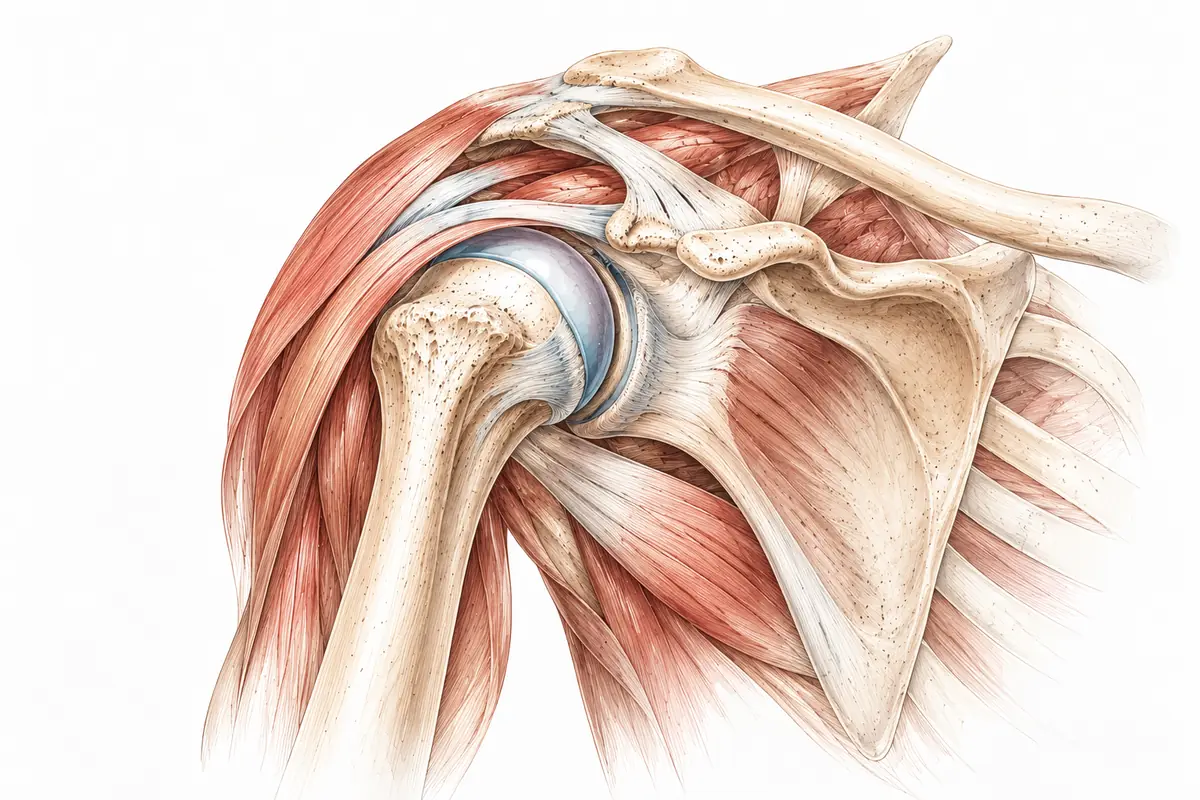
 Physician-led by Dr. Ajit Dhaliwal, MD, MBA
How it works
How stem cell therapy for shoulders works
Medically reviewed by Dr. Ajit Dhaliwal, MD, MBA · Updated October 2026
Stem cell therapy for the shoulder is an outpatient, image-guided injection that places concentrated biologic material into the injured tendon or joint. The aim is to support your body's repair process and reduce the inflammation behind your pain.
Candidacy depends on the injury. Tendinopathy and partial tears are commonly evaluated for regenerative care. A complete, retracted rotator cuff tear may need a surgeon, and your physician will tell you that plainly.
What we treat
Shoulder pain conditions we evaluate
The diagnoses New Yorkers bring to us most often.
Fig. 3Rotator cuff tendinopathy and partial tears
Irritated or partially torn tendons that limit strength and motion.
See if you're a candidate ›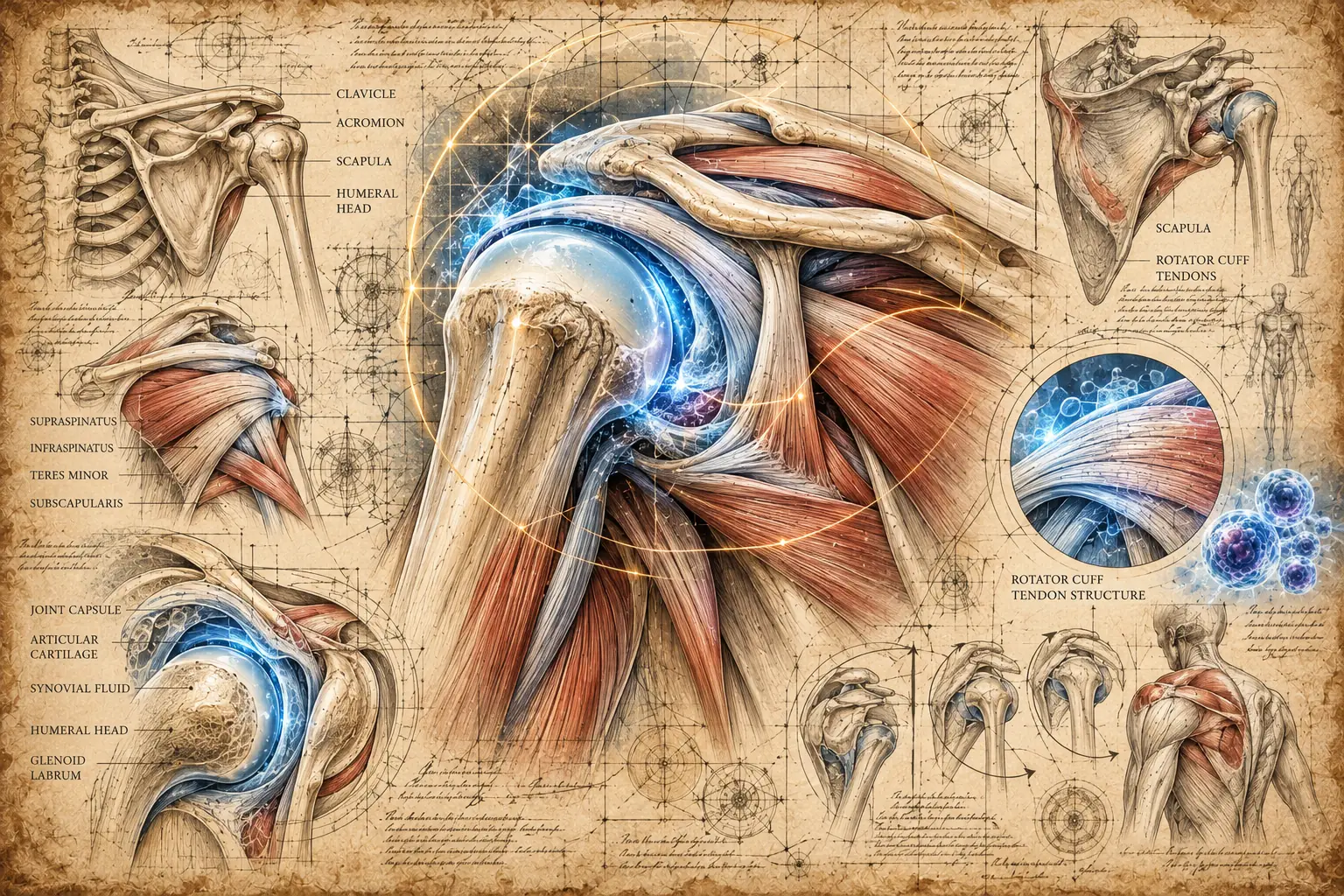 Fig. 4
Shoulder osteoarthritis
Joint wear that causes stiffness, grinding, and pain.
See if you're a candidate › Fig. 5
Labral injuries
Damage to the cartilage rim that stabilizes the joint.
See if you're a candidate ›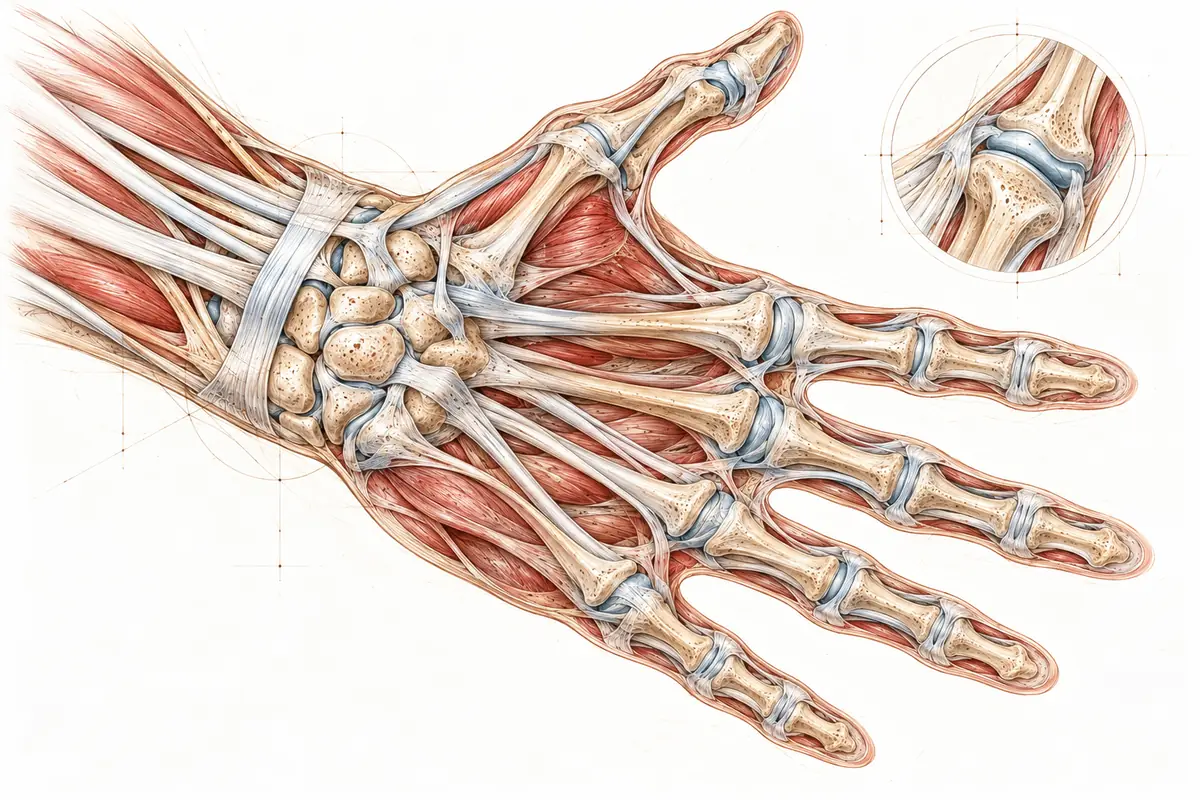 Fig. 6
Bursitis and impingement
Pinching and inflammation that hurts with overhead movement.
See if you're a candidate ›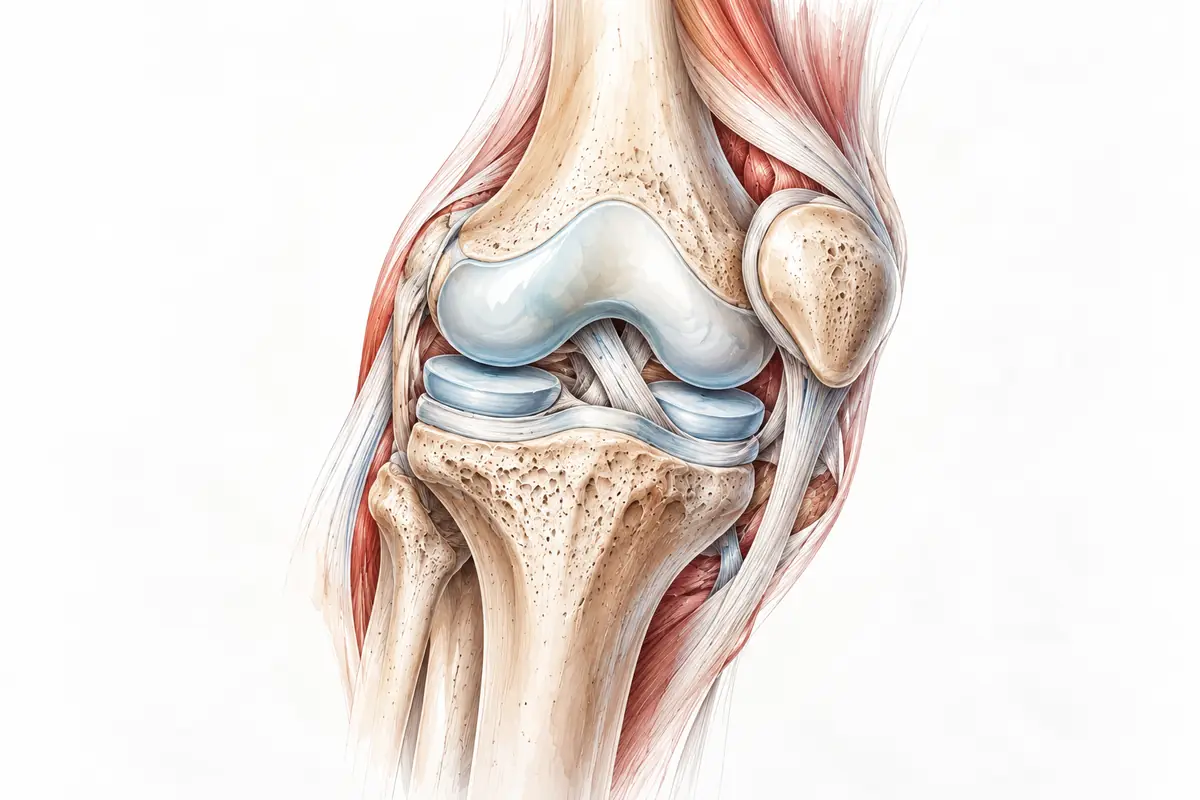 Fig. 7
AC joint pain
Pain at the top of the shoulder, common in lifters and athletes.
See if you're a candidate ›Not sure what you have?
Most people aren't. Answer 5 quick questions and our team will help you figure it out.
Start the 5 questions ›
Is this you?
Does this sound familiar?
If two or more of these sound like you, it's worth a free consultation.
- ✓Pain reaching overhead or behind your back
- ✓Waking up at night when you roll onto your shoulder
- ✓Weakness lifting, pressing, or carrying
- ✓A partial rotator cuff tear or tendinopathy diagnosis
- ✓Cortisone shots that help less each time

The science
Your body already knows how to heal.
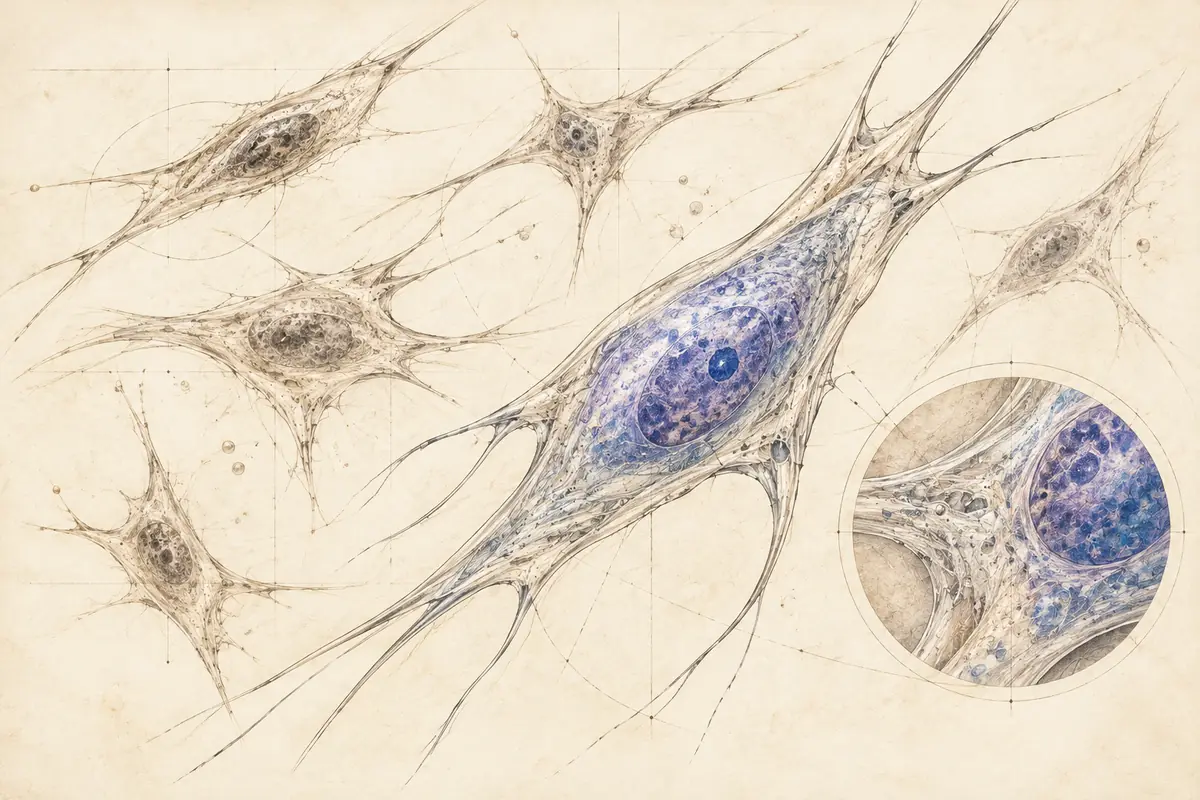
Every injury you've recovered from was repaired with help from your own mesenchymal stem cells. Regenerative therapy aims to concentrate that repair system right where you hurt, without surgery.
See if you're a candidateYour options
How it compares
An honest look at the common paths for shoulder pain.
Your path forward
Four steps. No guesswork.
- STEP 01
5 quick questions
Tell us where it hurts and how long. About a minute.
- STEP 02
Free consultation
In person in Manhattan or by video, with honest answers.
- STEP 03
Your treatment
Outpatient, at 575 Madison Ave. No surgery or hospital stay.
- STEP 04
Follow-up
Check-ins with your care team as your body responds.
Shoulder pain: questions New Yorkers ask
Does stem cell therapy work for rotator cuff tears?
Research on regenerative injections for rotator cuff injuries is ongoing, with more study in partial tears and tendinopathy than complete tears. Results vary, and these therapies are not FDA-approved for shoulder conditions. Your physician will review your imaging and be direct about your options.
Can stem cell therapy replace shoulder surgery?
For some partial tears and tendon injuries, it's explored as an option before surgery. Full-thickness, retracted tears often need surgical repair, and your physician will tell you if that's your situation.
Will I need a sling after a shoulder injection?
Most patients don't need extended immobilization, but your physician will give you specific activity guidance for the days after your procedure.
Can I keep working out after shoulder treatment?
You'll get a plan for returning to training safely. Many patients ease back into activity in stages under their care team's guidance.
Do I need an MRI first?
If you have recent imaging, bring it. If you don't, your physician will tell you at your consultation whether imaging is needed to plan your treatment.
Also treated
Explore other conditions
Free · 60 seconds
See if stem cell therapy for shoulders is right for you.
Answer 5 simple questions. Our physician-led team will review them and call you with honest next steps.